Why Cultural Exchange Matters for Children in Canada
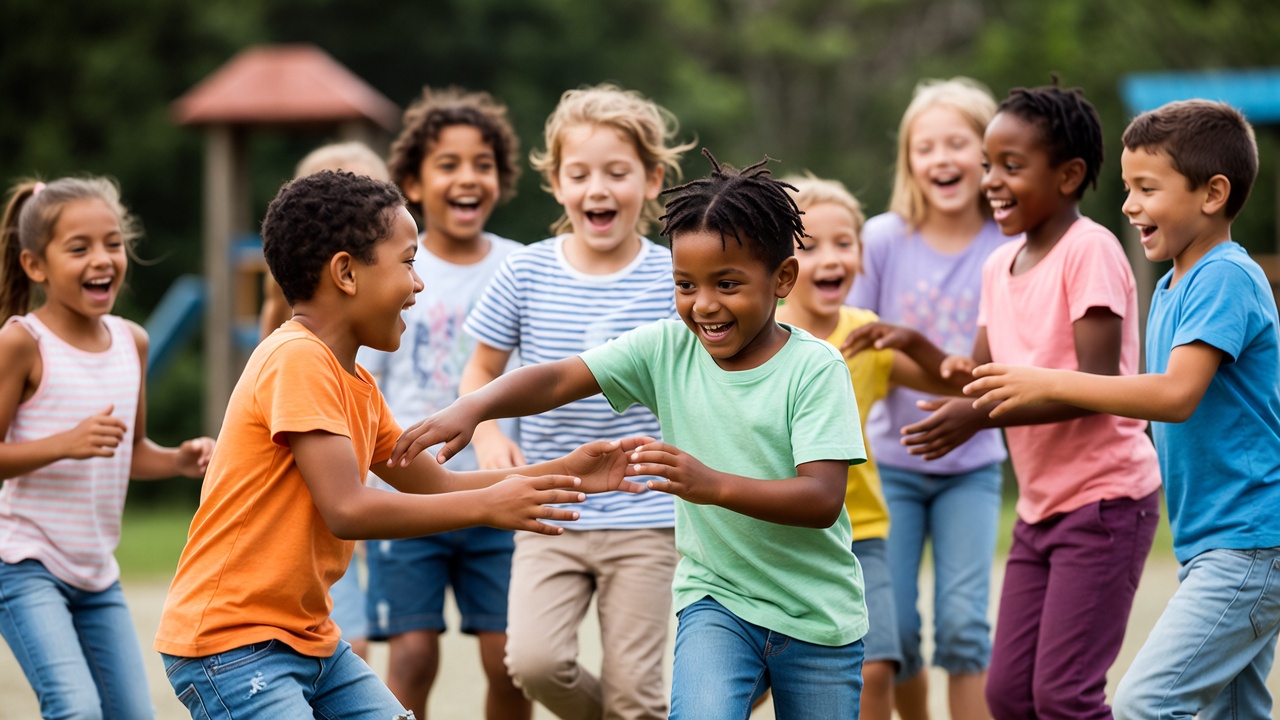
Canada is one of the most culturally diverse countries in the world. Children grow up surrounded by a variety of languages, traditions, and perspectives. Learning to navigate this diversity is not only valuable — it is essential for fostering empathy, inclusion, and social confidence.
Cultural exchange programs provide children with structured opportunities to explore and celebrate differences while developing critical emotional and social skills. Here’s why these experiences matter for children across Canada.
What Is Cultural Exchange for Children?
Cultural exchange for children involves activities that introduce them to the traditions, customs, stories, and perspectives of communities both within and beyond Canada. These can include:
- Storytelling from diverse cultures
- Traditional music, dance, or crafts
- Learning about holidays and rituals from different communities
- Engaging in collaborative projects with children from diverse backgrounds
Through these experiences, children gain awareness, appreciation, and respect for cultures different from their own.
The Benefits of Cultural Exchange
1. Builds Empathy
When children learn about others’ experiences, traditions, and challenges, they develop the ability to understand and share the feelings of others. Empathy nurtures kindness, patience, and emotional intelligence.
2. Promotes Inclusion
Exposure to diverse cultures teaches children that differences are valuable. They learn to celebrate diversity, respect others’ perspectives, and create inclusive friendships.
3. Strengthens Social Confidence
Cultural exchange often involves group activities, presentations, or collaborative projects. Children gain confidence expressing themselves and interacting respectfully with peers from different backgrounds.
4. Encourages Open-Mindedness
Experiencing different worldviews helps children approach challenges creatively, ask questions, and accept new ideas — skills that last a lifetime.
5. Enhances Communication Skills
Participating in cultural activities often involves discussion, storytelling, and teamwork. These opportunities improve language skills, listening, and self-expression.
Implementing Cultural Exchange in Canadian Programs
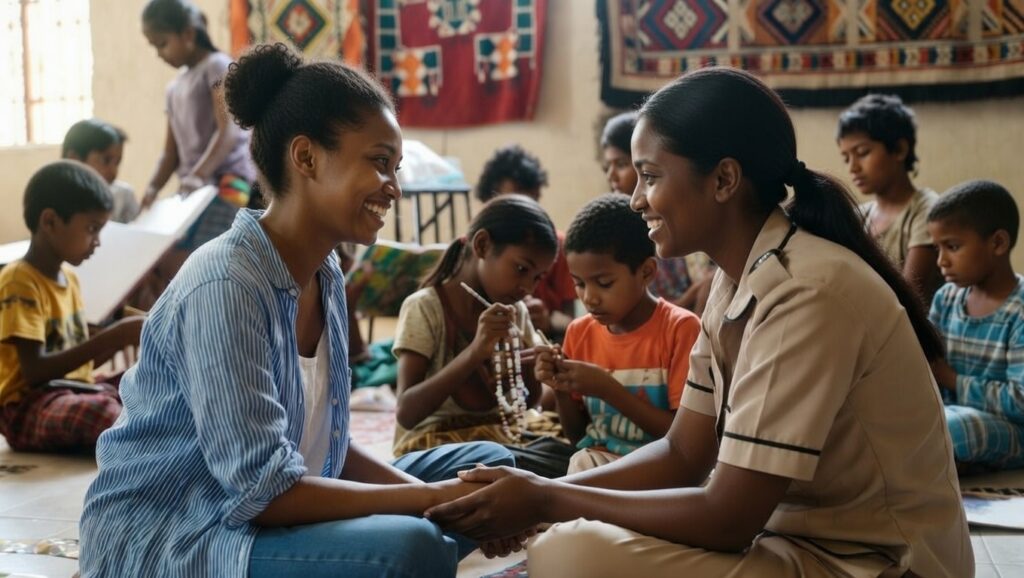
Across Canada, schools, community centers, and nonprofit programs are integrating cultural exchange into children’s activities. Effective approaches include:
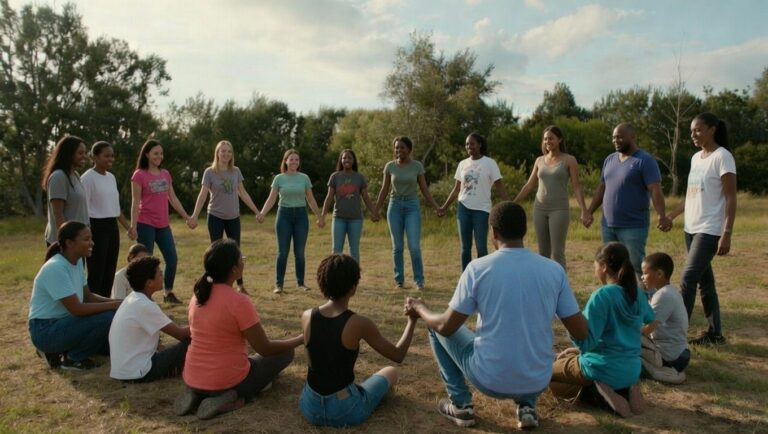
- Storytelling Circles: Children share stories from their own culture and learn from others.
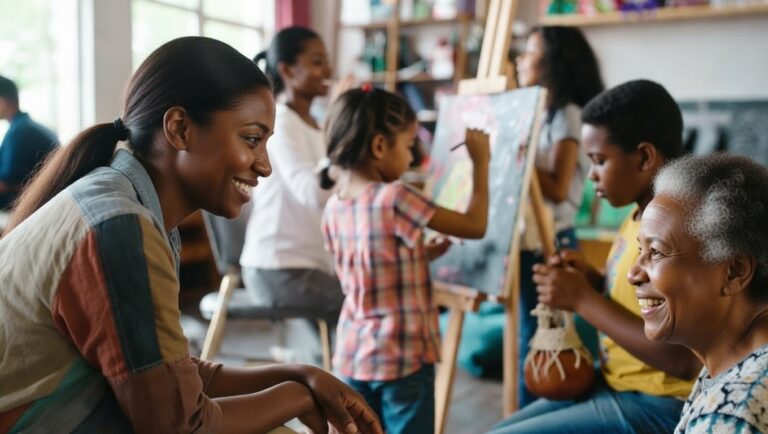
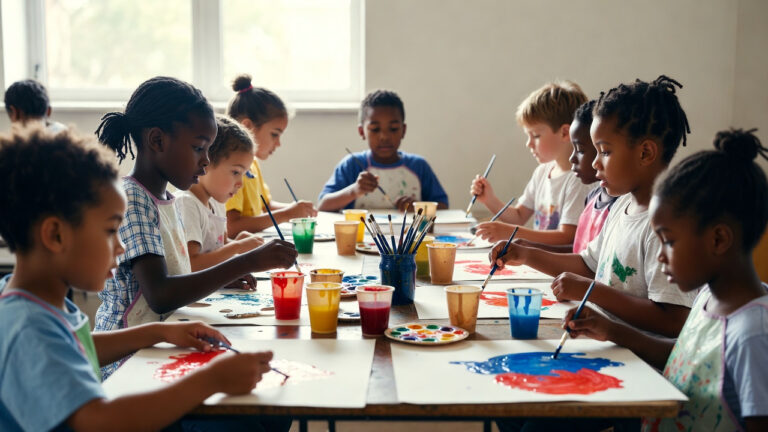
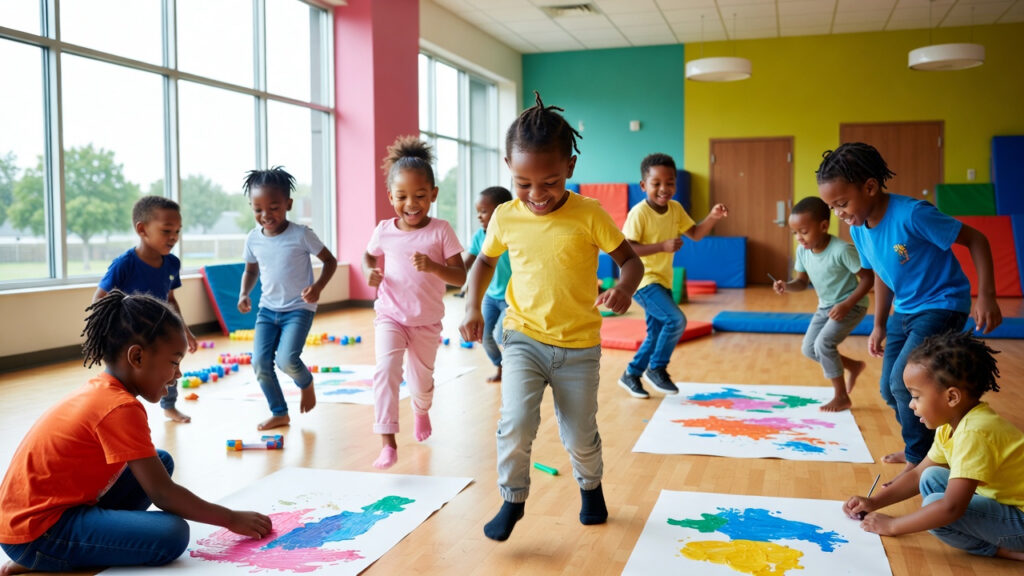
- Arts & Crafts Projects: Children explore cultural symbols, art forms, and traditional crafts.
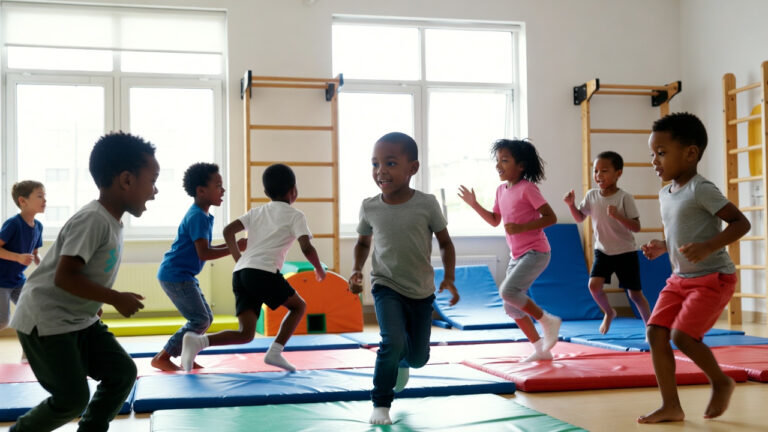
- Music and Dance Activities: Learning dances or songs from other cultures builds engagement and joy.
- Mentorship Programs: Older children or community members share cultural knowledge and guide group discussions.
Structured cultural exchange activities provide a safe, educational, and engaging environment where children can explore diversity without judgment.
Self-care is how you take your power back.
Lalah Delia
Why It Matters for the Future
By introducing cultural exchange at a young age, children develop the skills to:
- Navigate diverse social environments
- Build respectful, inclusive relationships
- Approach differences with curiosity instead of fear
- Become compassionate, culturally aware adults
In Canada, where diversity is a defining feature of society, these skills are not just valuable — they are essential.
Final Thoughts
Cultural exchange is more than an educational activity — it is a tool for emotional and social development. By learning about diverse traditions, children grow in empathy, confidence, and inclusivity.
For caregivers, educators, and communities across Canada, fostering cultural exchange ensures that children not only thrive individually but also contribute to a kinder, more connected society.