The Power of Creative Arts: How Painting and Crafting Support Emotional Expression in Canada
In today’s fast-paced world, caregivers and children alike face daily emotional challenges. Caregivers navigate stress, fatigue, and emotional strain, while children learn to process feelings and build resilience. One highly effective approach to supporting mental and emotional well-being is hands-on creative arts including painting, crafting, and other artistic activities.
Creative expression is more than a fun pastime. Across Canada, studies and community programs are showing that engaging in art can have profound emotional, psychological, and social benefits for both caregivers and children.
Why Creative Arts Matter
Creative arts provide a safe and structured outlet for expressing feelings that may be difficult to verbalize. Through painting, crafting, or sculpting, participants can:
- Explore emotions safely and constructively
- Process stress, anxiety, and complex feelings
- Build confidence and a sense of accomplishment
- Develop mindfulness and focus
Whether it’s a caregiver painting after a long shift or a child crafting in a community program, the act of creating itself is therapeutic.
Benefits for Caregivers
Caregivers often prioritize the needs of others over their own. Creative arts offer them a unique opportunity to recharge emotionally:
- Stress Relief: Painting or crafting allows caregivers to focus on the present moment, reducing stress and tension.
- Emotional Release: Art provides a non-verbal way to express complex emotions like grief, frustration, or anxiety.
- Boosts Mood: Completing a creative project releases endorphins and enhances feelings of satisfaction and joy.
- Mind-Body Connection: Engaging the hands and mind helps caregivers reconnect with themselves, supporting mindfulness and emotional awareness.
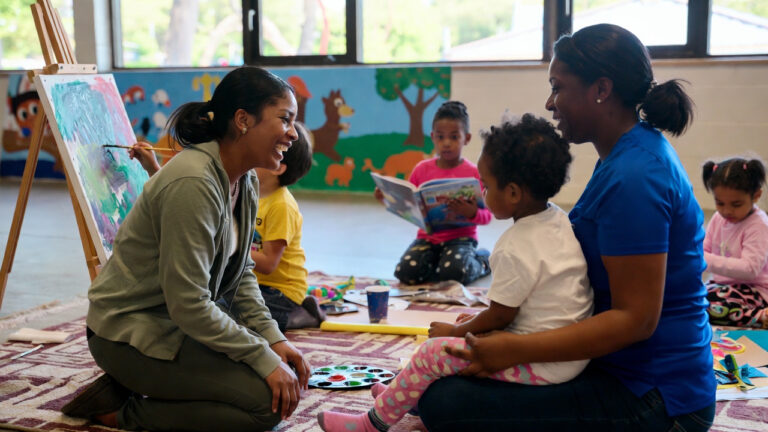
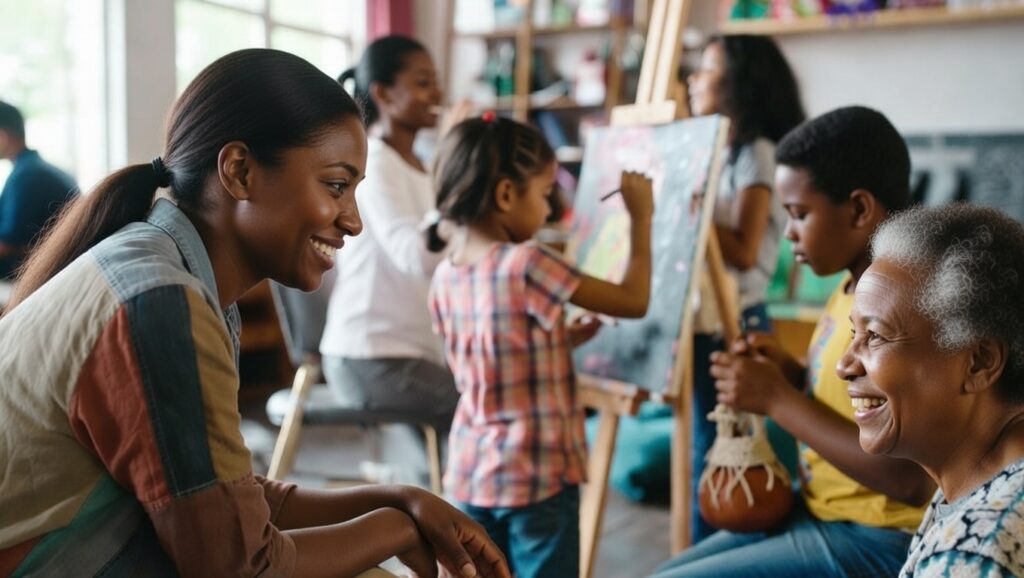
Programs across Canada, including wellness workshops and community art sessions, are increasingly incorporating creative arts to support caregiver well-being.
Benefits for Children
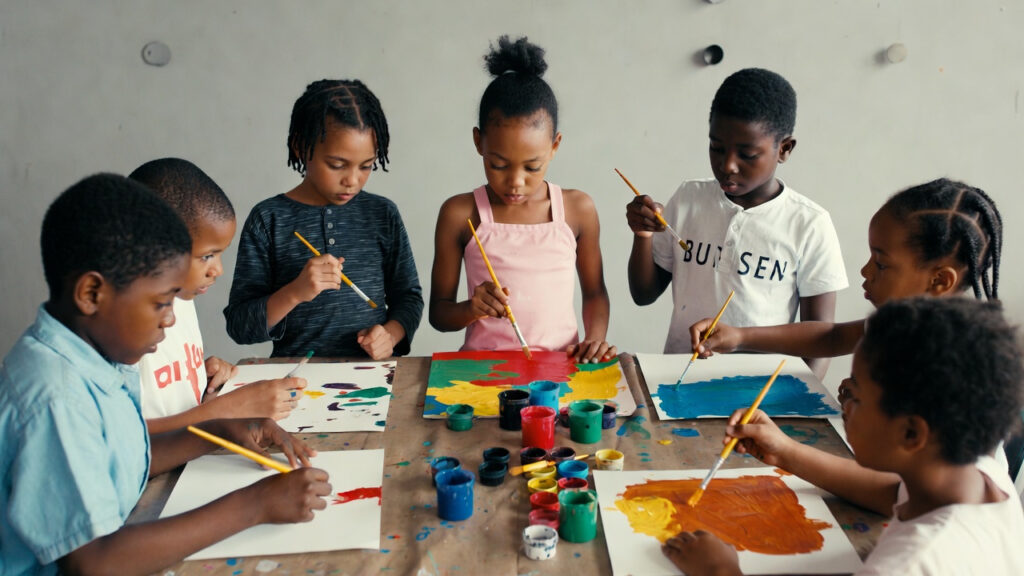
For children ages 5–12, creative arts are a vital tool for emotional development:
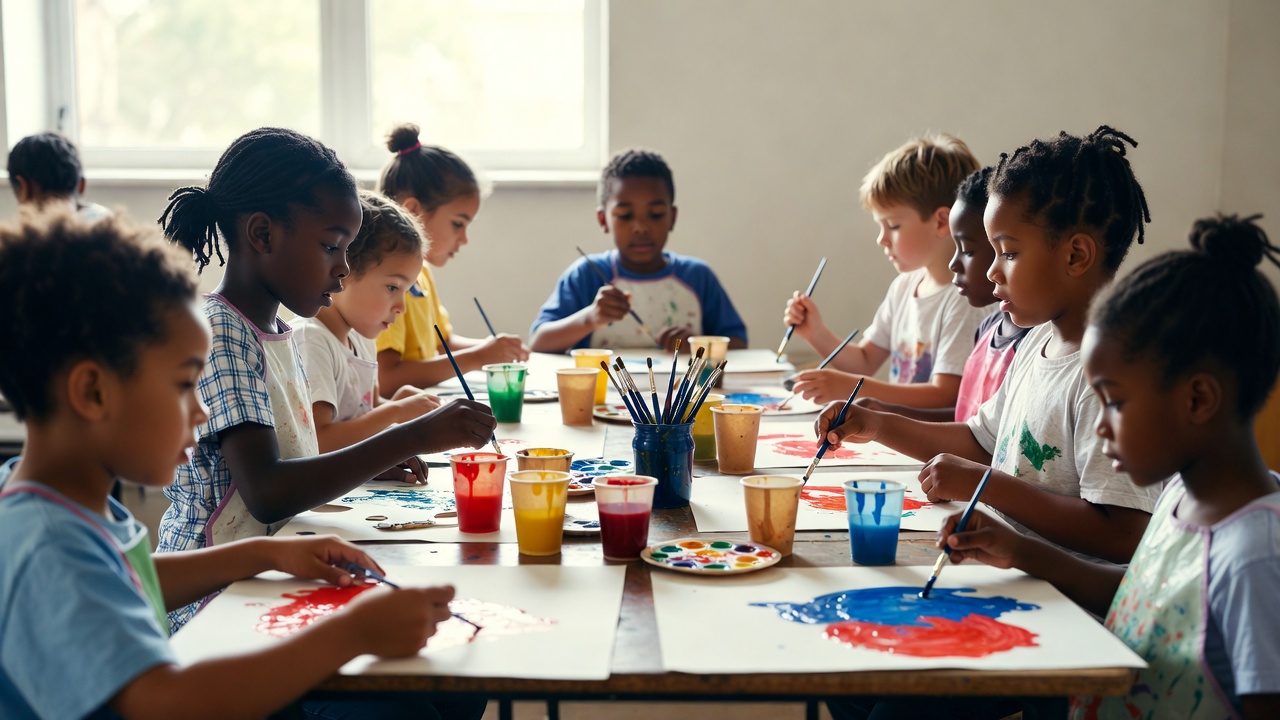
- Self-Expression: Painting and crafting help children communicate feelings they may not yet have words for.
- Confidence Building: Completing a project instills pride and reinforces a sense of accomplishment.
- Emotional Regulation: Structured art activities provide a healthy outlet for emotions like frustration or excitement.
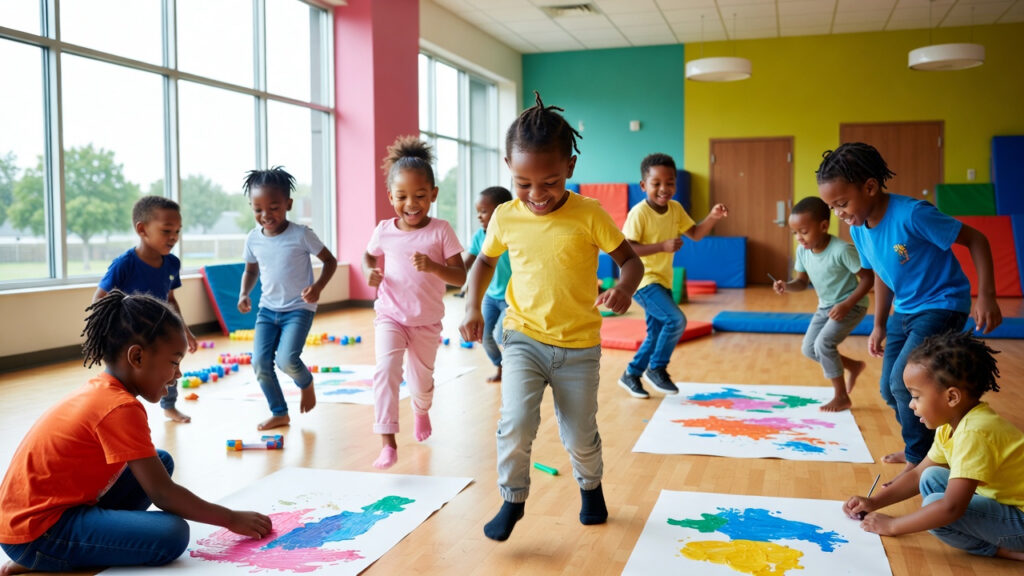
- Social Skills: Group projects encourage teamwork, sharing, and empathy.
- Cultural Awareness: Activities such as crafting inspired by different traditions foster curiosity and inclusion.
These benefits are especially important in Canadian programs that aim to nurture emotional resilience and social confidence in diverse communities.
The greatest weapon against stress is our ability to choose one thought over another.”
William James
How to Incorporate Creative Arts Effectively
1. Structured Workshops
Guided painting or crafting sessions provide instruction and support while allowing freedom of expression.
2. Open Studio Time
Flexible, unstructured art time lets participants explore ideas at their own pace, encouraging creativity and personal reflection.
3. Collaborative Projects
Group art projects strengthen community bonds, foster teamwork, and allow participants to share perspectives.
4. Integrating Reflection
After completing a project, brief discussions or journaling can help participants articulate what they experienced and learned.
Final Thoughts
Creative arts are powerful tools for emotional expression, healing, and personal growth. For caregivers in Canada, painting and crafting provide a way to relieve stress, reconnect with themselves, and boost overall well-being. For children, creative activities cultivate emotional awareness, confidence, and social skills that last a lifetime.
Whether through structured workshops or open artistic exploration, the act of creating offers both caregivers and children a safe space to process emotions, celebrate accomplishments, and thrive together..