How Movement and Dance Support Caregiver Mental Wellness in Canada
Caregivers across Canada dedicate their time, energy, and compassion to supporting others. Whether working in long-term care homes, hospitals, home care, or community settings, the emotional and physical demands of caregiving can take a toll.
While traditional mental health strategies such as counseling and peer support are essential, one powerful and often overlooked tool for caregiver wellness is movement.
Dance-based activities and structured movement programs are increasingly recognized as effective ways to reduce stress, boost mood, and strengthen resilience.
Why Movement Matters for Mental Health
Physical activity directly affects the brain.
When caregivers engage in movement or dance:
- Endorphins are released, improving mood
- Stress hormones like cortisol decrease
- Blood circulation increases, improving energy levels
- The nervous system begins to regulate and calm
According to organizations such as Canadian Mental Health Association, regular physical activity plays a key role in maintaining mental well-being.
For caregivers experiencing emotional fatigue or burnout, even moderate movement can create noticeable improvements.
The Unique Power of Dance
Unlike traditional exercise, dance combines:
- Music
- Rhythm
- Social interaction
- Emotional expression
This combination activates multiple areas of the brain at once, making it both physically energizing and emotionally uplifting.
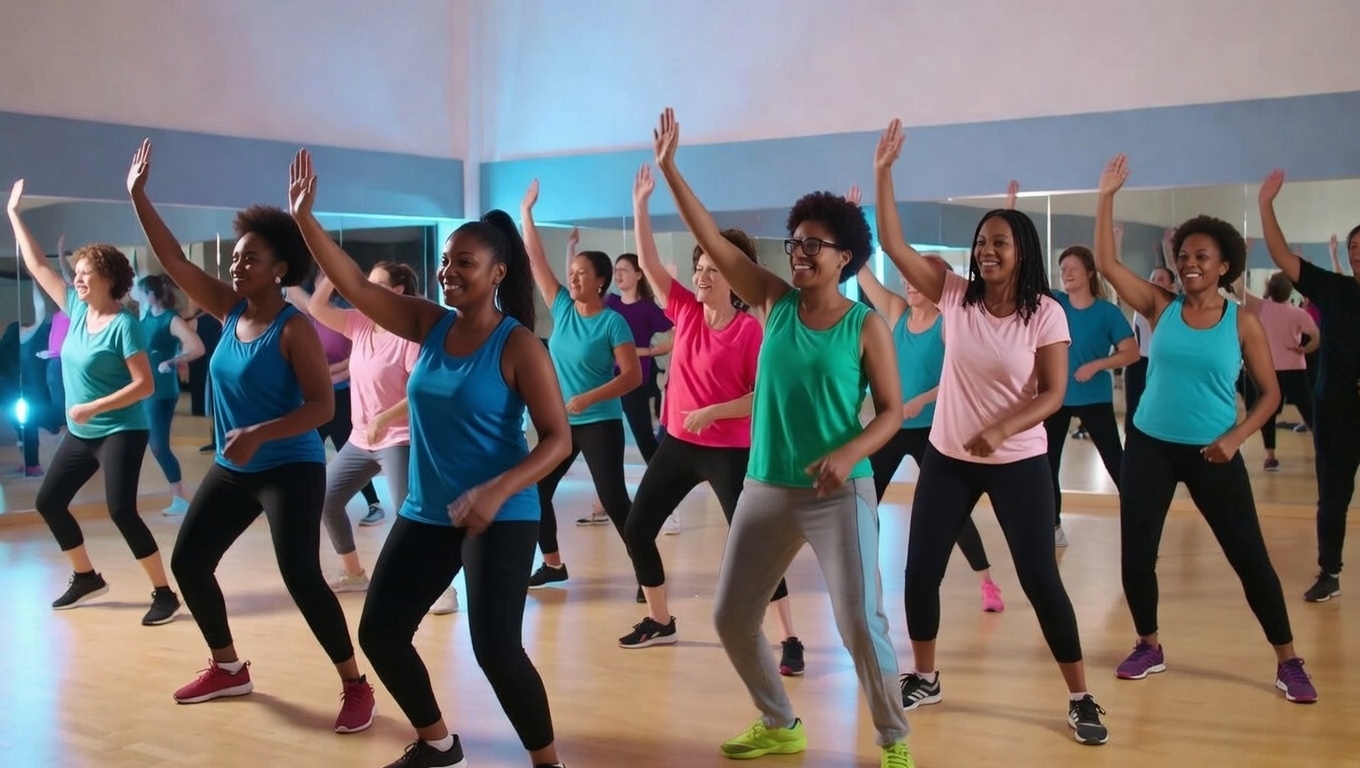
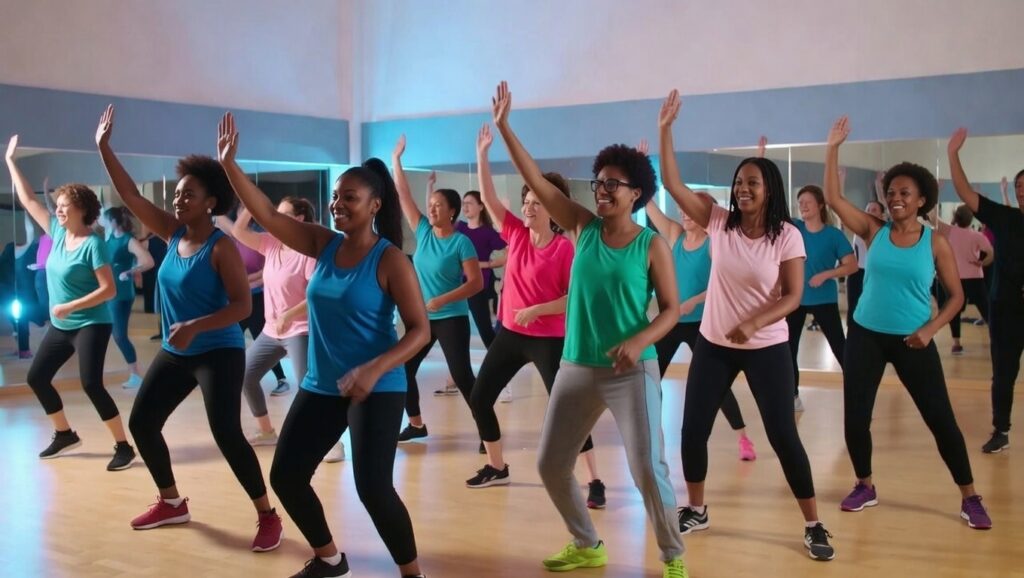
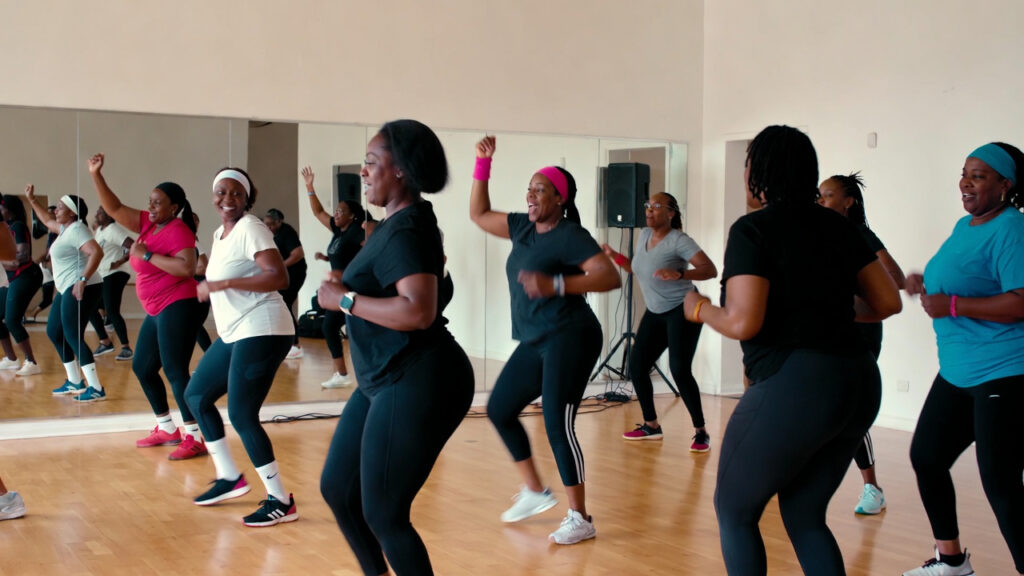
Dance sessions — including group fitness formats like Zumba-inspired classes — provide caregivers with:
- A safe outlet for emotional release
- A break from routine stressors
- Opportunities for laughter and joy
- A sense of shared experience
The result is not just exercise, but emotional renewal.
Stress Reduction Through Movement
Caregiving often involves prolonged periods of high responsibility and emotional intensity. Over time, this can lead to chronic stress.
Movement interrupts this cycle.
When caregivers participate in structured dance or group movement sessions:
- Muscle tension decreases
- Breathing deepens naturally
- Mental focus shifts away from worries
- The body transitions out of “fight or flight” mode
These physiological changes can significantly lower anxiety and improve overall mood.
You don’t have to control your thoughts. You just have to stop letting them control you.
Dan Millman
Building Community Through Group Dance
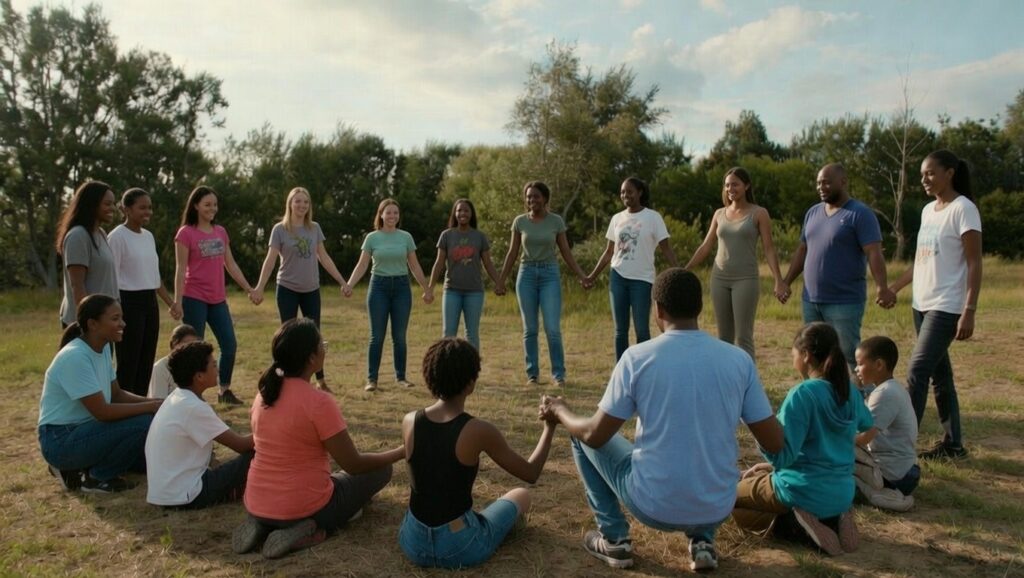
Isolation is a common challenge in caregiving roles. Group-based dance or wellness sessions help address this by fostering:
- Social connection
- Peer encouragement
- Shared positivity
- A sense of belonging
Community-driven wellness programs strengthen emotional resilience by reminding caregivers they are not alone.

Improving Energy and Preventing Burnout
Burnout often includes both emotional exhaustion and physical fatigue.
Regular movement can:
- Increase stamina
- Improve sleep quality
- Boost overall energy levels
- Strengthen long-term resilience
When caregivers feel physically stronger, they are often better equipped to manage emotional stress as well.
Final Thoughts
Movement and dance are more than physical activities they are tools for emotional restoration.
For caregivers across Canada, incorporating structured movement sessions into weekly routines can reduce stress, strengthen resilience, and restore joy.
Caring for others begins with caring for yourself.
And sometimes, healing starts with a single step or a single dance.