Community Connection: Why Support Circles Matter for Caregivers in Canada
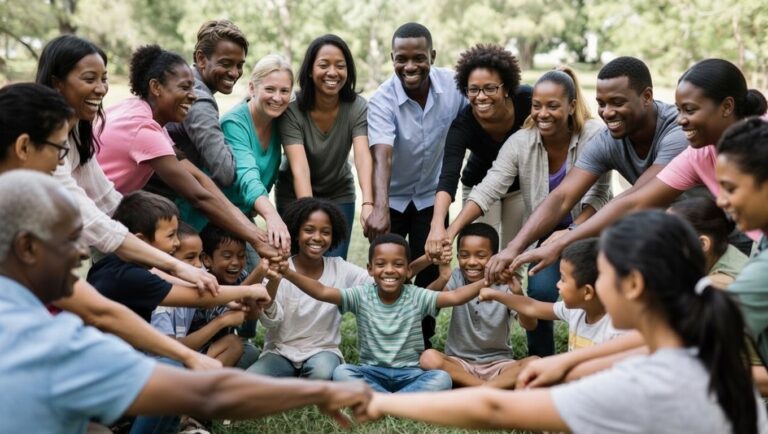
Caregiving is rewarding, but it can also be isolating. Across Canada, caregivers in hospitals, long-term care facilities, home care, and community programs often experience high levels of stress, fatigue, and emotional strain. While professional resources are essential, peer support circles are a powerful way to reduce isolation, foster community, and strengthen emotional resilience.
Support circles offer a safe space for caregivers to share experiences, gain insight, and know that they are not alone in their challenges.
What Are Support Circles?
Support circles are structured gatherings where caregivers come together to:
- Discuss experiences and challenges
- Share coping strategies
- Offer encouragement and validation
- Build connections with peers facing similar responsibilities
Unlike therapy, support circles focus on mutual understanding, empathy, and shared learning. For many caregivers, these gatherings provide the first opportunity to speak openly with people who truly understand the demands of caregiving.
Why They Matter in Canada
Caregivers in Canada face unique challenges:
- Heavy workloads and long shifts
- Emotional strain from patient care and difficult family dynamics
- Staffing shortages in long-term care and home care
- Limited time for self-care or personal recovery
These challenges can increase the risk of burnout and mental health strain. Support circles help mitigate these risks by providing emotional validation and peer connection.

Benefits of Support Circles for Caregivers
1. Reduce Isolation
Caregivers often feel alone in their experiences. Peer groups remind them that others share similar struggles, reducing feelings of loneliness and stress.
2. Emotional Validation
Being heard and understood by peers reinforces that caregivers’ feelings are valid and important. Validation helps prevent emotional suppression and promotes mental well-being.
3. Stress Relief and Resilience
Sharing challenges and successes in a structured setting lowers emotional tension and strengthens coping skills. Caregivers develop strategies for managing stress more effectively.
4. Peer Learning
Support circles allow caregivers to learn practical tips and approaches from those with similar experiences, enhancing problem-solving and confidence.
5. Early Recognition of Burnout
Regular group discussions help participants notice early signs of burnout in themselves and each other, encouraging timely intervention.
There is no health without mental health.
World Health Organization
How to Participate in Support Circles
Across Canada, support circles may be organized by:
- Community centers
- Healthcare employers
- Nonprofit organizations focused on caregiver well-being
- Online peer support platforms
Many circles meet weekly or monthly and provide both in-person and virtual options to accommodate busy schedules.


Supporting Caregivers Through Community
Caregiving is essential work, but it should not be endured in isolation. Community-based support circles complement professional resources and empower caregivers to:
- Maintain mental and emotional health
- Build meaningful connections with peers
- Share insights and coping strategies
- Foster a culture of mutual care and understanding
When caregivers feel supported, they can provide better care to those who rely on them.
Final Thoughts
Support circles are more than gatherings — they are lifelines for caregivers across Canada. By providing spaces for connection, empathy, and shared learning, they reduce isolation, strengthen emotional resilience, and foster a community that truly cares for its caregivers.
For those navigating the demands of caregiving, joining a support circle is a simple yet powerful step toward well-being.