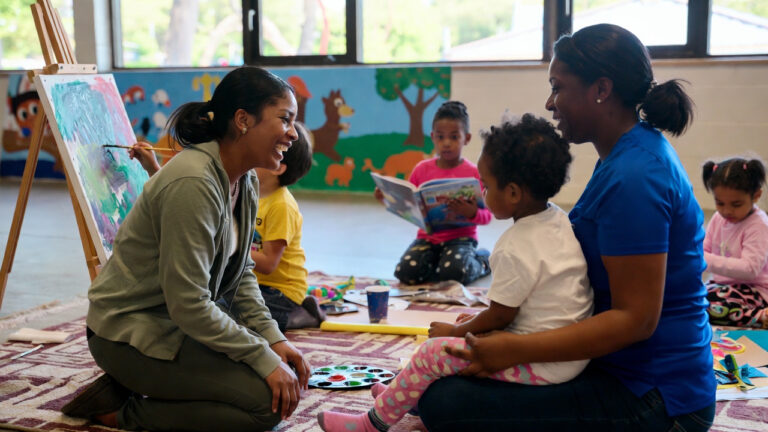

Community Connection: Why Support Circles Matter for Caregivers in Canada
Caregivers across Canada carry immense responsibility. Whether working in long-term care, hospitals, home care, or community settings, the emotional and physical demands of caregiving can be significant.
While caregivers are trained to support others, many rarely have a structured space to process their own experiences.
That is where support circles make a meaningful difference.
What Are Support Circles?
Support circles are structured, confidential gatherings where caregivers meet regularly to share experiences, discuss challenges, and learn coping strategies in a safe and respectful environment.
They are not therapy sessions — but they are therapeutic.
These circles create space for:
- Honest conversations
- Shared understanding
- Emotional validation
- Peer encouragement
- Collective problem-solving
For many caregivers, this is the first time they feel fully understood by others who truly relate to their daily realities.
Why Caregivers in Canada Need Community Support
Across provinces, caregivers face:
- Heavy workloads
- Staffing shortages
- Emotional strain from patient care
- Long and irregular hours
- Limited recovery time
Over time, these pressures can lead to stress, compassion fatigue, and burnout.
National organizations such as Canadian Mental Health Association emphasize that social connection is a key protective factor for mental health.
Support circles provide that protective layer.

The Mental Health Benefits of Support Circles
1. Reduced Isolation
Caregiving can feel lonely, especially when emotional challenges are not openly discussed. Sharing experiences with peers reduces feelings of isolation.
2. Emotional Validation
Hearing “I understand” from someone in a similar role can be incredibly powerful. Validation reduces self-doubt and emotional suppression.
3. Stress Reduction
Speaking openly about challenges can lower emotional tension and prevent stress from accumulating internally.
4. Increased Resilience
Learning how others cope with similar situations provides practical strategies and builds emotional strength.
5. Early Intervention
Regular check-ins within a group setting may help identify signs of burnout early, before they escalate.
What mental health needs is more sunlight, more candor, and more unashamed conversation.
Glenn Close
Building a Culture of Support
For too long, caregiving has been associated with silent endurance. However, strength does not mean suppressing emotion.
Support circles help shift the culture toward:
- Openness
- Mutual care
- Emotional awareness
- Sustainable caregiving
When caregivers feel supported, they are better able to provide high-quality care to others.



Final Thoughts
Community connection is not optional it is essential.
Support circles remind caregivers that they are not alone in their experiences. They create space for empathy, shared wisdom, and emotional restoration.
In a profession centered on care, caregivers deserve care too.
And sometimes, healing begins simply by sitting in a circle and being heard.