Creating Safe Spaces for Children to Express Big Emotions in Canada
Children experience a wide range of emotions, from joy and excitement to frustration, fear, and sadness. For children ages 5–12, learning to identify and express these feelings in healthy ways is critical for emotional development, resilience, and social confidence.
In Canada, schools, community programs, and caregivers play a key role in helping children navigate these emotions. One of the most effective approaches is creating structured safe spaces where children feel supported, understood, and free to express themselves..
Why Safe Spaces Matter
Safe spaces are environments where children know they will not be judged, criticized, or dismissed. In these spaces, children can:
- Share feelings openly
- Explore emotions without fear of punishment
- Learn to recognize and name their feelings
- Build trust with peers and adults
Providing this foundation helps children develop emotional intelligence — the ability to understand, manage, and communicate their emotions effectively.
How Structured Group Activities Support Emotional Expression
Structured group activities offer a framework that balances fun, learning, and emotional growth. Examples include:
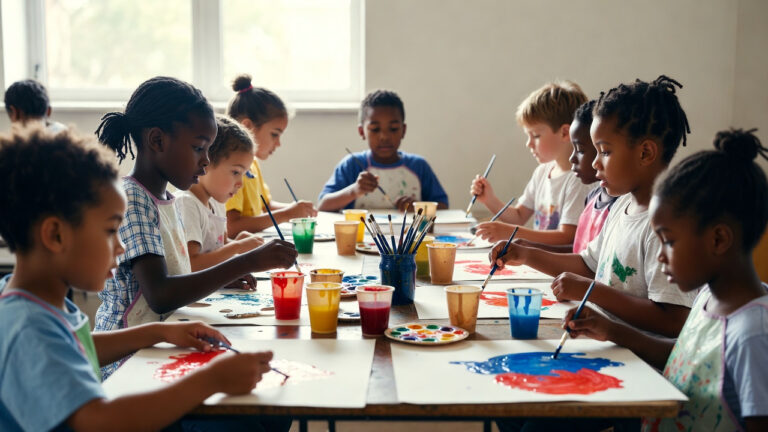
1. Creative Arts (Painting & Crafting)
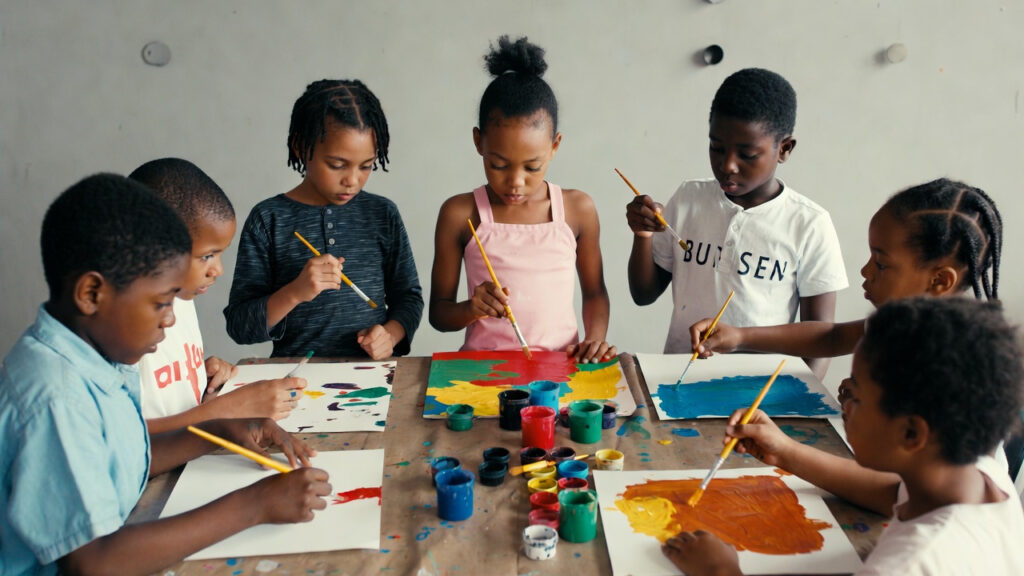
Art allows children to visually express feelings they may not have the words for.
- Painting emotions as colors or shapes
- Crafting as a way to process complex feelings
- Guided art reflection to discuss what the work represents
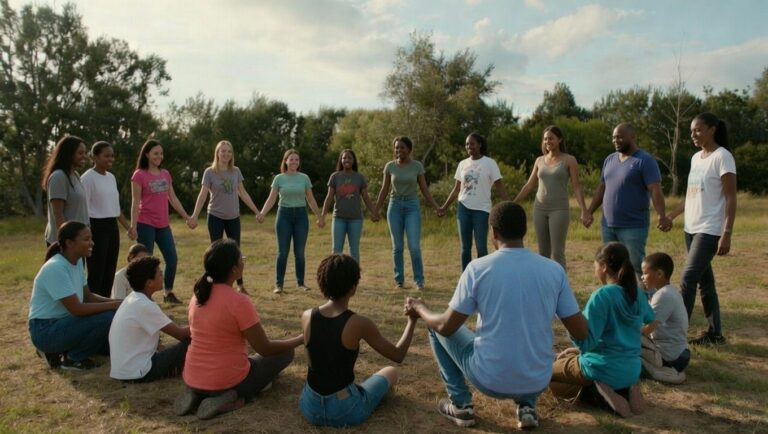
2. Group Discussions & Circle Time
Structured conversation sessions help children:
- Practice listening and empathy
- Share experiences in a safe environment
- Learn to articulate emotions clearly and respectfully
3. Cultural Exchange Experiences
Introducing children to diverse stories, traditions, and perspectives encourages:
- Recognition of shared human emotions
- Respect for differing emotional expressions
- Development of empathy and social awareness
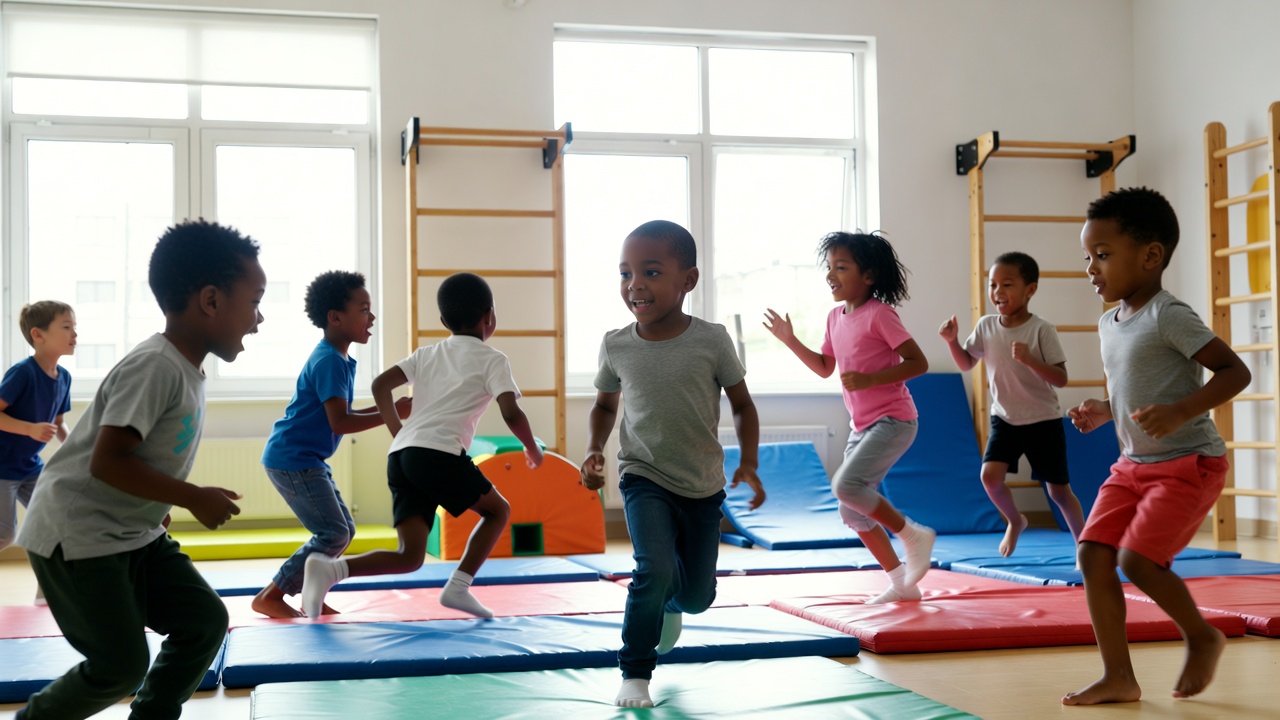
4. Guided Play & Role-Playing
Role-playing scenarios allow children to:
Learn constructive ways to manage frustration or anxiety
Explore responses to challenging situations
Practice problem-solving and coping strategies

Benefits for Children
Children who participate in safe, structured activities experience:
- Improved emotional literacy — they can identify and communicate feelings.
- Better coping skills — they learn healthy ways to manage stress or conflict.
- Increased confidence — they feel heard and understood.
- Stronger social skills — they develop empathy, respect, and teamwork.
These skills are crucial for both school and home environments, providing a foundation for lifelong emotional well-being.
Happiness can be found even in the darkest of times, if one only remembers to turn on the light.
Albus Dumbledore (written by J. K. Rowling)
Supporting Children Across Canada
Creating safe spaces can happen anywhere: classrooms, community centers, after-school programs, or home environments. Programs tailored for Canadian children often incorporate:
- Age-appropriate emotional learning activities
- Mentorship and peer guidance
- Culturally inclusive materials
- Opportunities for creative self-expression
By prioritizing emotional expression, caregivers, educators, and community leaders help children grow into resilient, self-aware, and compassionate individuals.

Final Thoughts
Big emotions are a natural part of childhood. Helping children express these feelings in structured, safe spaces is not just supportive — it is transformative.
When children feel seen, heard, and understood, they develop confidence, empathy, and emotional strength that lasts a lifetime.
For caregivers and communities across Canada, creating these environments ensures that every child has the tools to navigate their inner world and thrive..